Roof leak and ceiling mold in Orlando
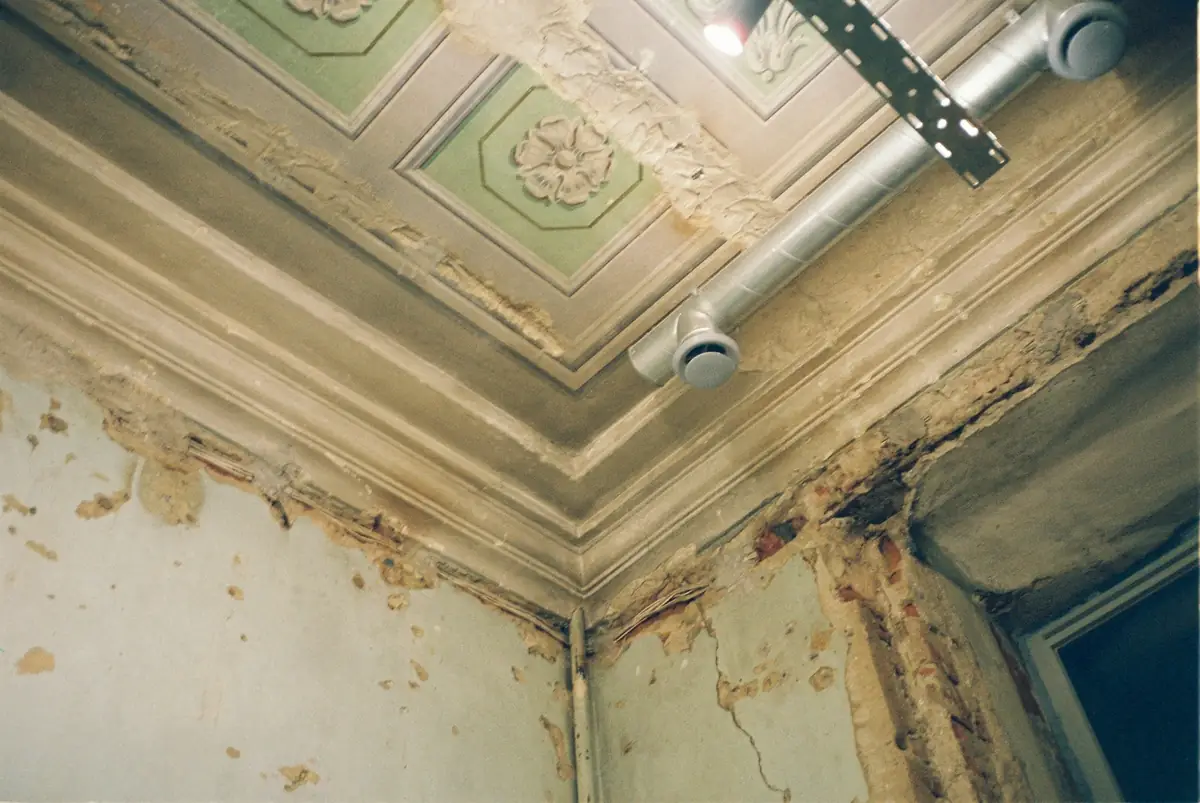
A brown ring on the ceiling after an afternoon storm, sagging drywall under the AC, black spots in a bathroom corner. In Orlando the water above a ceiling is usually the roof or the air handler. Stop it first; the mold is the second job.
Roof or AC?
Look at where the stain is and when it grew. A stain that darkens after afternoon storms, near an outside wall, a plumbing vent or a valley in the roof, is the roof. A stain under the air handler or along the path of the condensate line that grows on hot, dry days is the AC. In many Central Florida houses the air handler sits in the attic, so both are possible in the same spot.
Rain is not occasional here. Orlando International averages 50.9 inches a year (2016-2025), 59% of it from June through September, with about 14.5 days of an inch or more. A small roof defect leaks every afternoon for weeks before the drywall shows it.
Average rain by month, Orlando International Airport (inches)
What has to come out
- Ceiling drywall that got wet and stayed wet. Drywall that sags, crumbles or has growth on the back comes out. A small stain that dried within a day or two may only need a stain-blocking primer and paint.
- Attic insulation. Wet blown-in insulation compresses and holds water against the drywall. It usually gets removed in the wet area and replaced.
- Roof decking. Dark, soft or delaminating plywood under the leak is a roofing repair. Surface growth on dry decking can be cleaned.
The order of repairs
- Tarp or repair the roof, or clear the AC drain, so no more water gets in. Roofing work in Florida needs a licensed roofing contractor; AC work, a licensed air conditioning contractor.
- Remove wet insulation and drywall and dry the attic and ceiling cavity.
- Remediate any growth. Over 10 square feet, for pay, that takes a Florida mold remediator license.
- Replace insulation, then drywall and paint.
Done the other way around, a new ceiling goes up under a roof that still leaks, and the stain comes back through the fresh paint.

After a hurricane
Hurricanes add wind-driven rain, lifted shingles and tiles, and tree limbs through the roof, and roofers are booked for weeks. Get a tarp on first and take photos of the roof and every ceiling stain for the claim. Wind and roof damage is claimed on your homeowners policy, not flood insurance. Storm and flood cleanup.
Questions Orlando homeowners ask
Is a ceiling water stain always mold?
No. A stain is water; mold is what grows if the material stays wet. The EPA says to dry wet materials within 24 to 48 hours to prevent growth. If the drywall dried quickly and isn't soft, it may only need priming and paint once the leak is fixed.
Who do I call first, a roofer or a mold company?
Whoever can stop the water. That's usually a roofer for a storm leak and an AC contractor for a condensate overflow. Mold removal before the leak is fixed is money spent twice.
Does insurance cover ceiling mold from a roof leak?
Sometimes. Mold that follows a covered sudden loss, like a burst supply line, is often covered up to a mold limit written into the policy. In December 2002 Florida regulators approved what became the standard endorsement capping mold at $10,000 per occurrence, and many policies still carry a mold or fungi limit, so read that section. Mold from a slow leak or long-term humidity usually is not covered. Rising flood water needs a separate flood policy. On policies issued since January 1, 2023, you can no longer sign your claim benefits over to a contractor.
Sources
- NOAA Applied Climate Information System: daily data, Orlando International Airport (USW00012815)
- US EPA: A brief guide to mold and moisture in the home
- US EPA: Mold Cleanup in Your Home
- Florida Statutes section 468.8411, Definitions (checked 2026-10-29)
- Fixr: Mold Remediation Cost (updated August 29, 2025)
- Florida Senate Interim Project Report 2004-158, Committee on Regulated Industries, December 2003 (mold coverage endorsements)